
Sake 101
Sake Facts
-
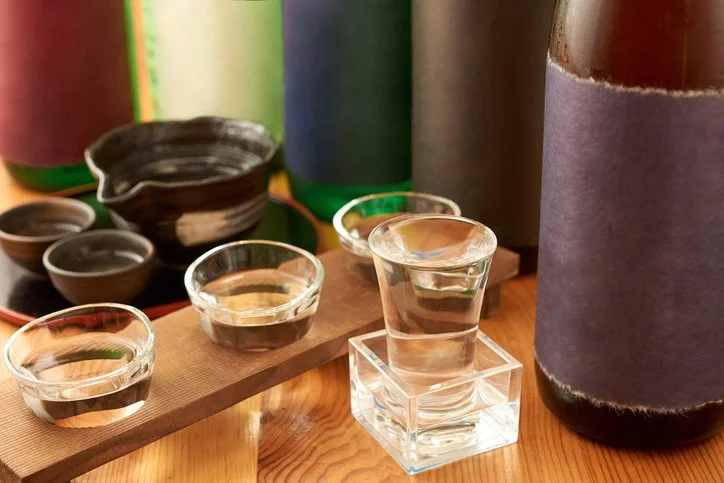
Sake is gluten free, tannin free, and made without the addition of sulfites.
Sake is five to ten times LESS acidic than wine.
Sake does not stain the teeth like wine and inflicts less damage to the tooth enamel.
-
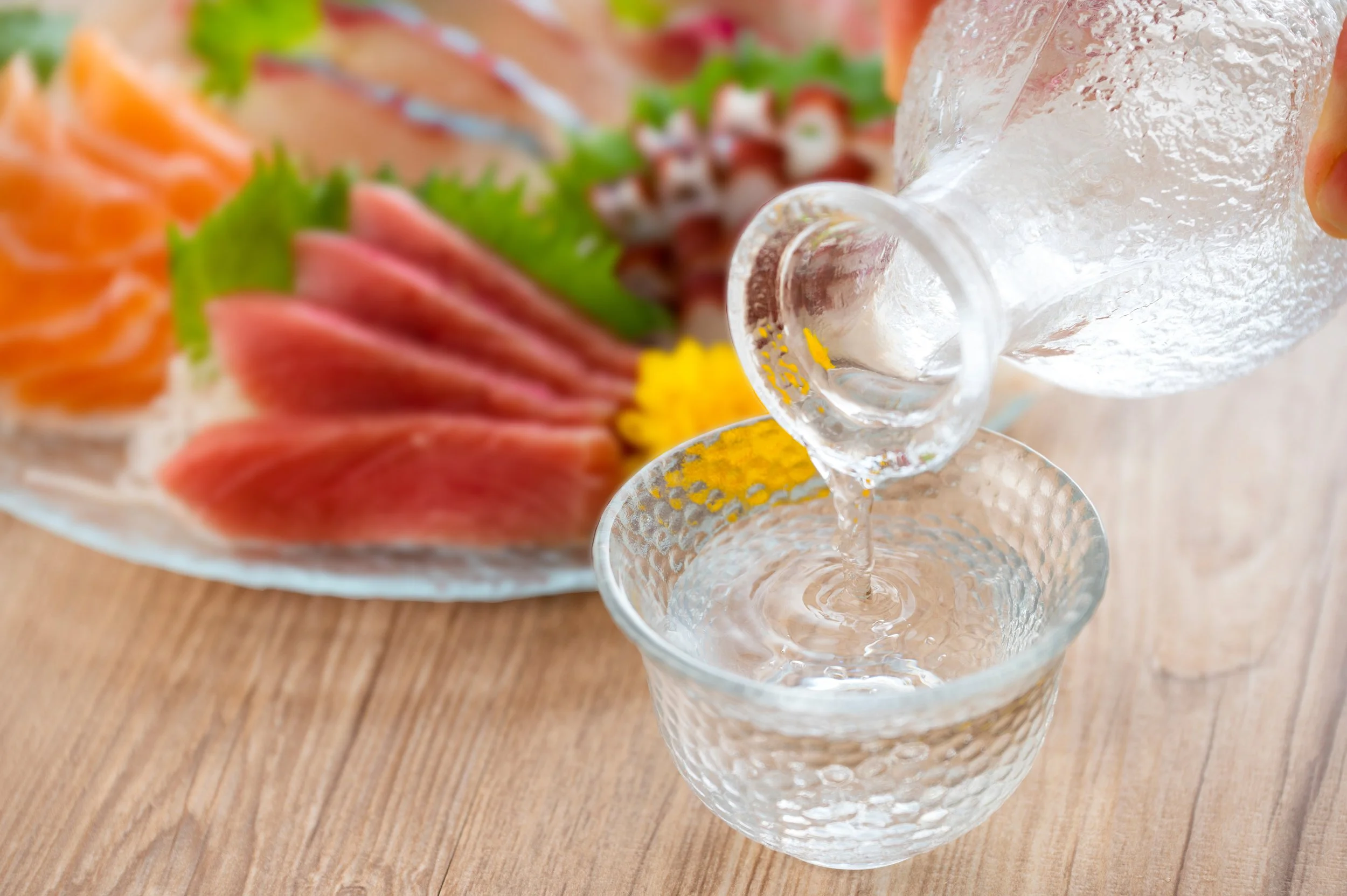
Sake mitigates fish flavors and bitterness in foods.
Sake enhances the perception of umami in foods.
Sake can stand up to spicy foods. Sake with sweetness can reduce heat even more.
Sake Ingredients
-
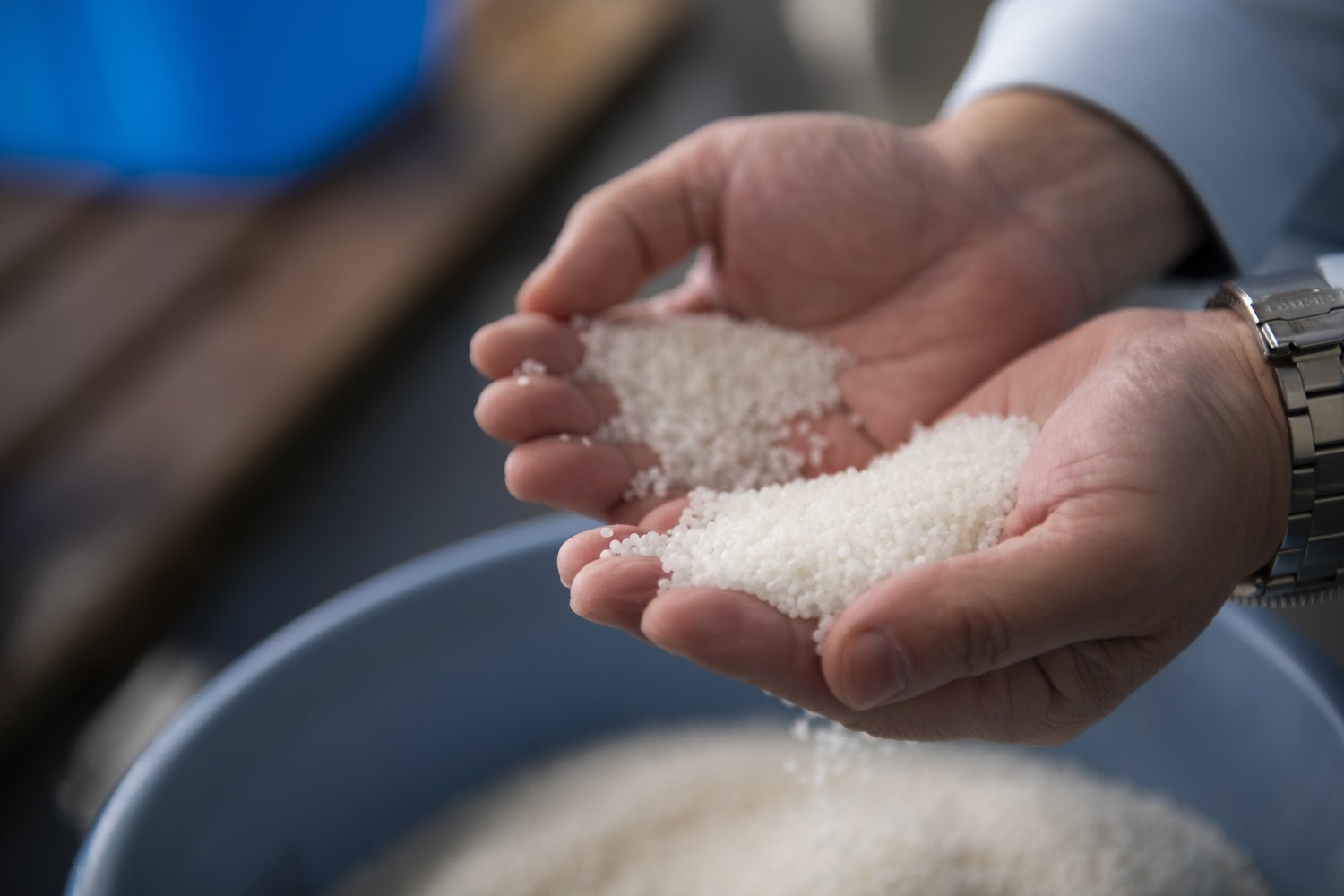
RICE
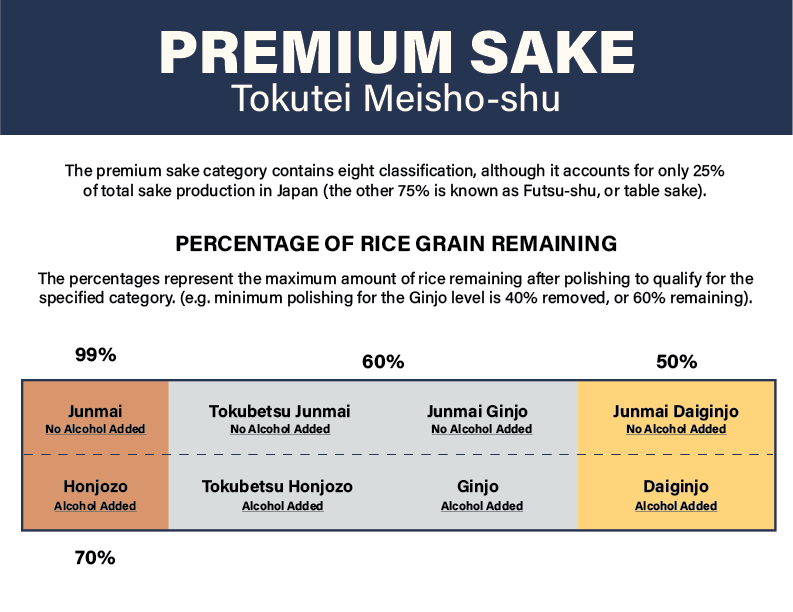
Over 100 varieties of Japonica Rice are specifically for sake production. How much the rice is polished before production has great impact on sake.
-
WATER
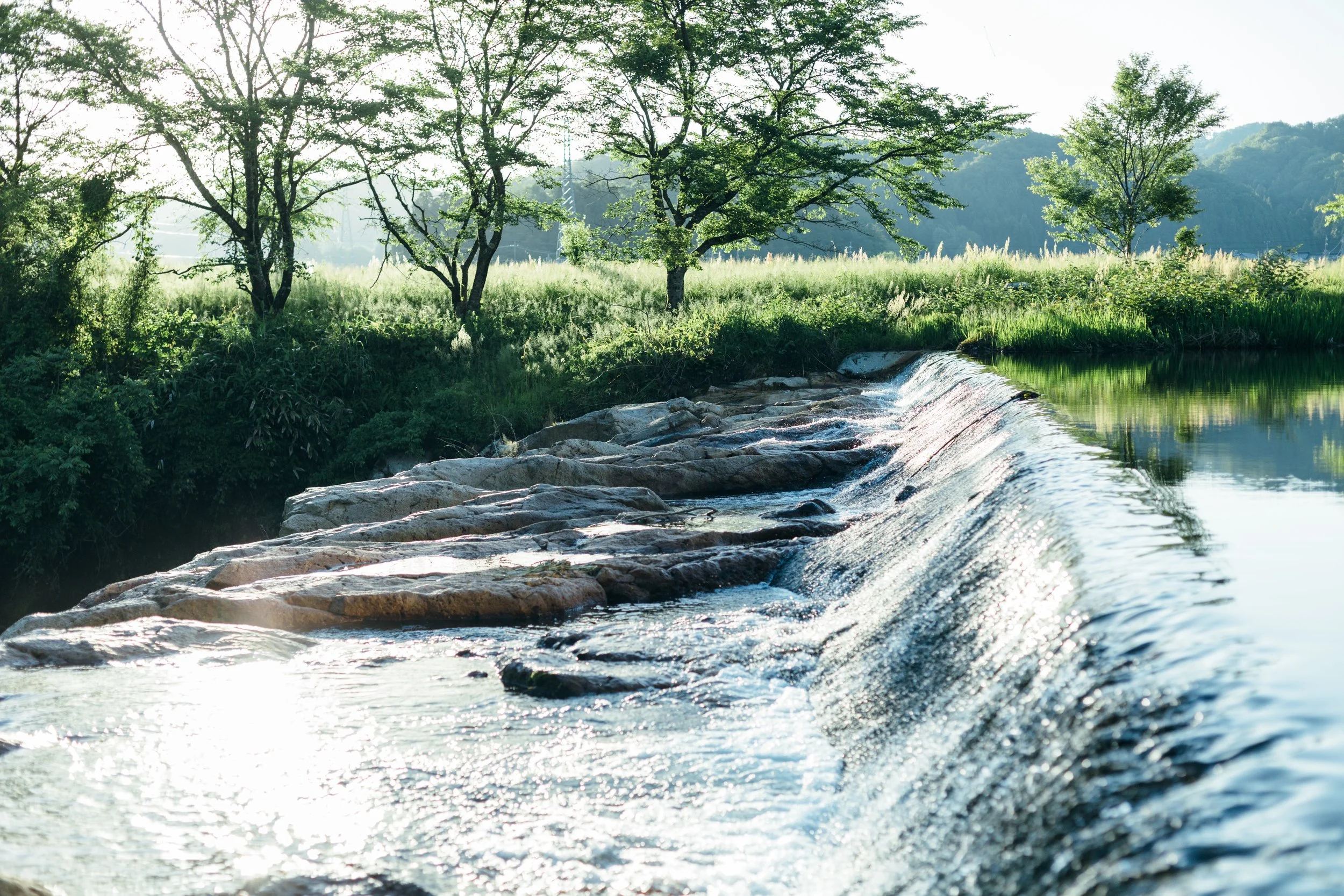
Water gives sake regional charactrer. Japanese water sources are very soft (very low in minerals).
-
KOJI
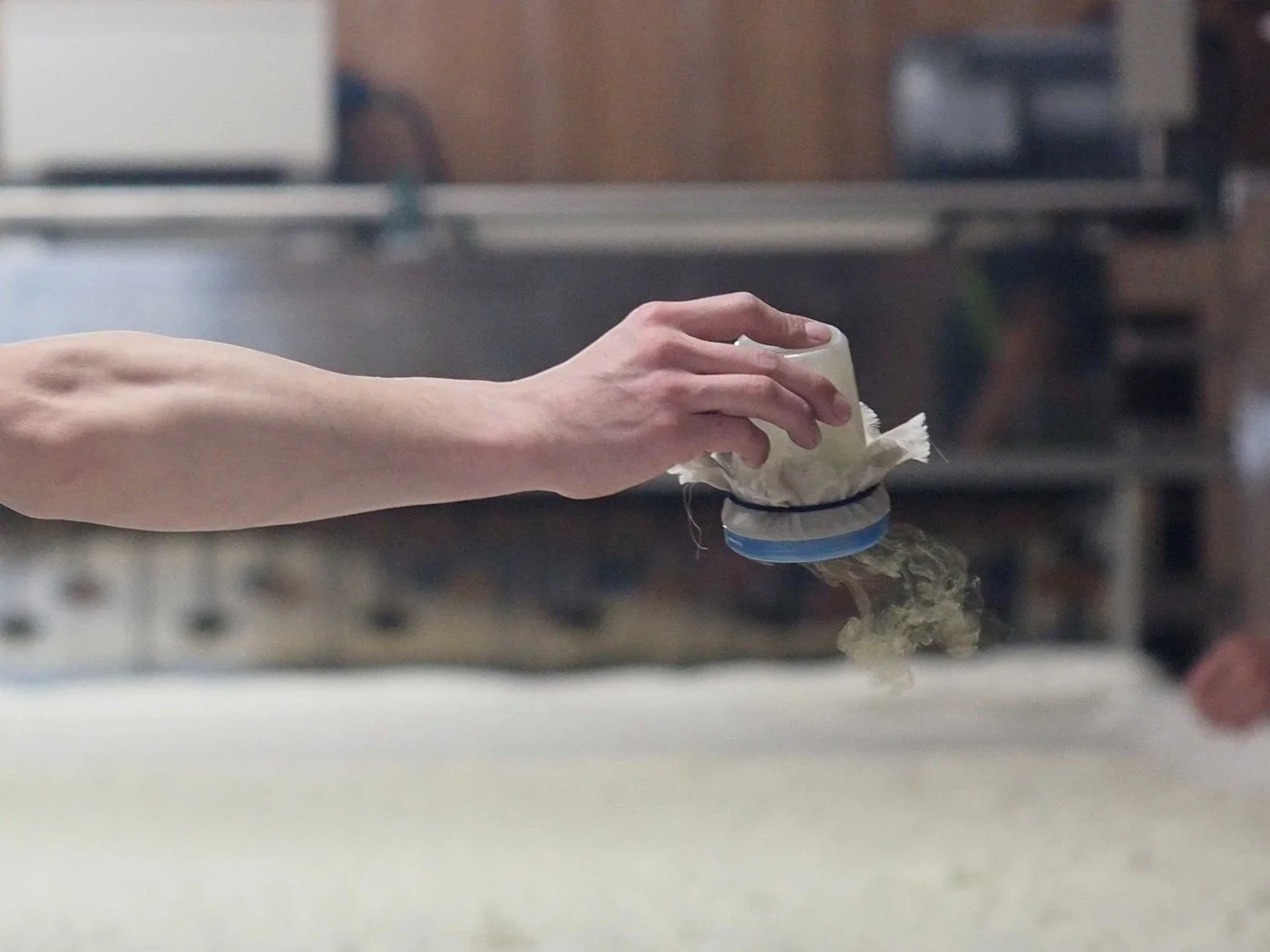
Koji is the mold or microorganism responsible for the breakdown of the starches in the rich into smaller, fermentable glucose.
-
YEAST
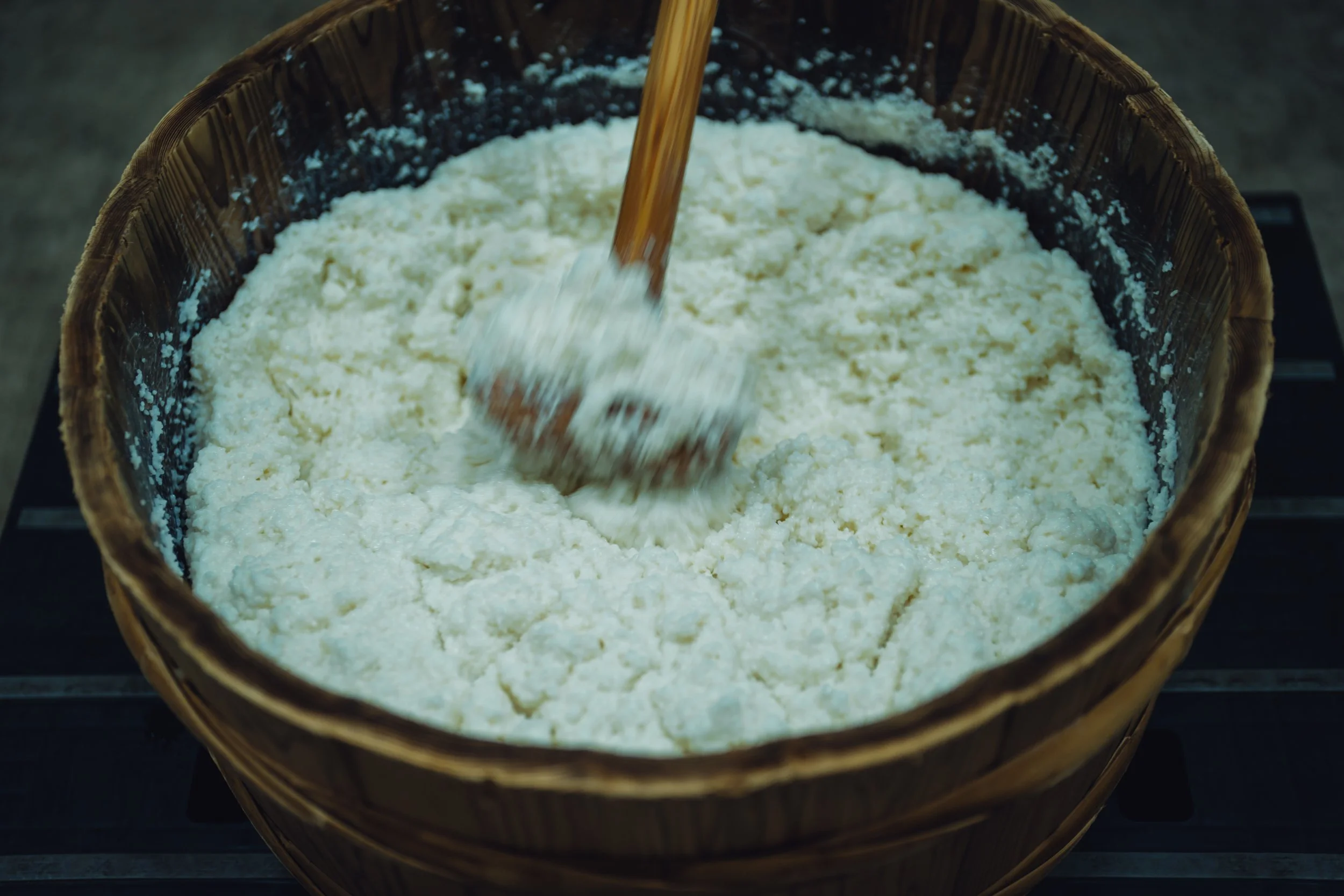
Yeast plays a big role in the final aroma of the sake, and also affects mouthfeel.
Sake Categories
Flavor Categories
GINJO GRADE AROMAS
(Junmai Ginjo, Junmai Daiginjo, Ginjo, Daiginjo)
Sake is gluten free, tannin free, and made without the addition of sulfites. Aromas of flowers, tropical fruit, and spice found in sake are called Ginjo-ka (Ginjo aroma).
Daiginjo sake are typically more aromatic than Ginjo.
Sake that does not have Ginjo on the label will be more savory.
If you like fruitier beverages, look for Ginjo.
NON-GINJO GRADE AROMAS
(Junmai, Tokubetsu, Honjozo)
Sake that do NOT have Ginjo on the label will typically have more rice flavor, with subdued fruit aromas and some savory character.
These sake can often be warmed and have higher umami.
Sake FAQ
-
Sake is typically between 15-16% ABV but legally cannot be above 22%. This is higher in alcohol than most wines and nearly all beers but less than distilled alcoholic beverages.
-
Nowadays, alcohol is added to premium sake for stylistic reasons. This extracts more aroma and lightens the mouthfeel of the sake. The addition of alcohol can also create a shorter, lifted finish. It is important to note that the vast majority of sakes with added alcohol are diluted to 15-16% alcohol, like the majority of sakes.
-
Sake should be stored upright in a cool dark place. The refrigerator is the best place for storage. The best temperature is approximately 41°F, but sake can be barely safely stored at temperatures under 59°F. Open bottles of sake can be kept in the fridge longer than wine! One week or more for 300ml and cup sake, two weeks or more for 720ml, one month or more for 1800ml.
-
Premium sake CAN be warmed. We suggest trying a Junmai or Honjozo with earthy, rice, and mineral notes. As a general rule, avoid warming sake labeled as Ginjo or Daiginjo.
-
Hot water bath is the way to go! Just place some sake in a tokkuri and grab the thermometer. If you are bougie and have a sous vide stick, it is a great tool to keep a consistent warm temperature. There is a wide range of temperatures but just make sure you do not overheat. Take care not to heat over, 140°.
-
For the most part, there are few truly bad sake and food pairings. Stick to pairing rules similar to wine: try to match sweetness levels or flavor intensities and avoid high alcohol with super spicy. In Japan, numerous small dishes are served at once (think tapas) so the sake must pair with different flavors. We encourage you to experiment with different food and sake combinations.
-
SMV stands for Sake Meter Value. It is a loose indicator of sweetness on many bottles. The HIGHER the number, the DRIER the sake.
-
Premium sake are expensive because of several factors. Sake-making is a labor intensive process. Much of it is done by hand and cannot be automated. The main ingredient, sake specific rice, used in many premium sake costs about twice as much as regular table rice. Polishing this rice to Daiginjo grade polishing ratios take a lot of time… and we all know, time is money.
-
Sake produced in the 8 main categories make up about 30% of the sake made in Japan. US imports very little futsushu or ordinary sake. if you see any of the 8 classifications (Honjozo, Junmai, Ginjo, etc.) on your bottle, then you know it is of good quality.