
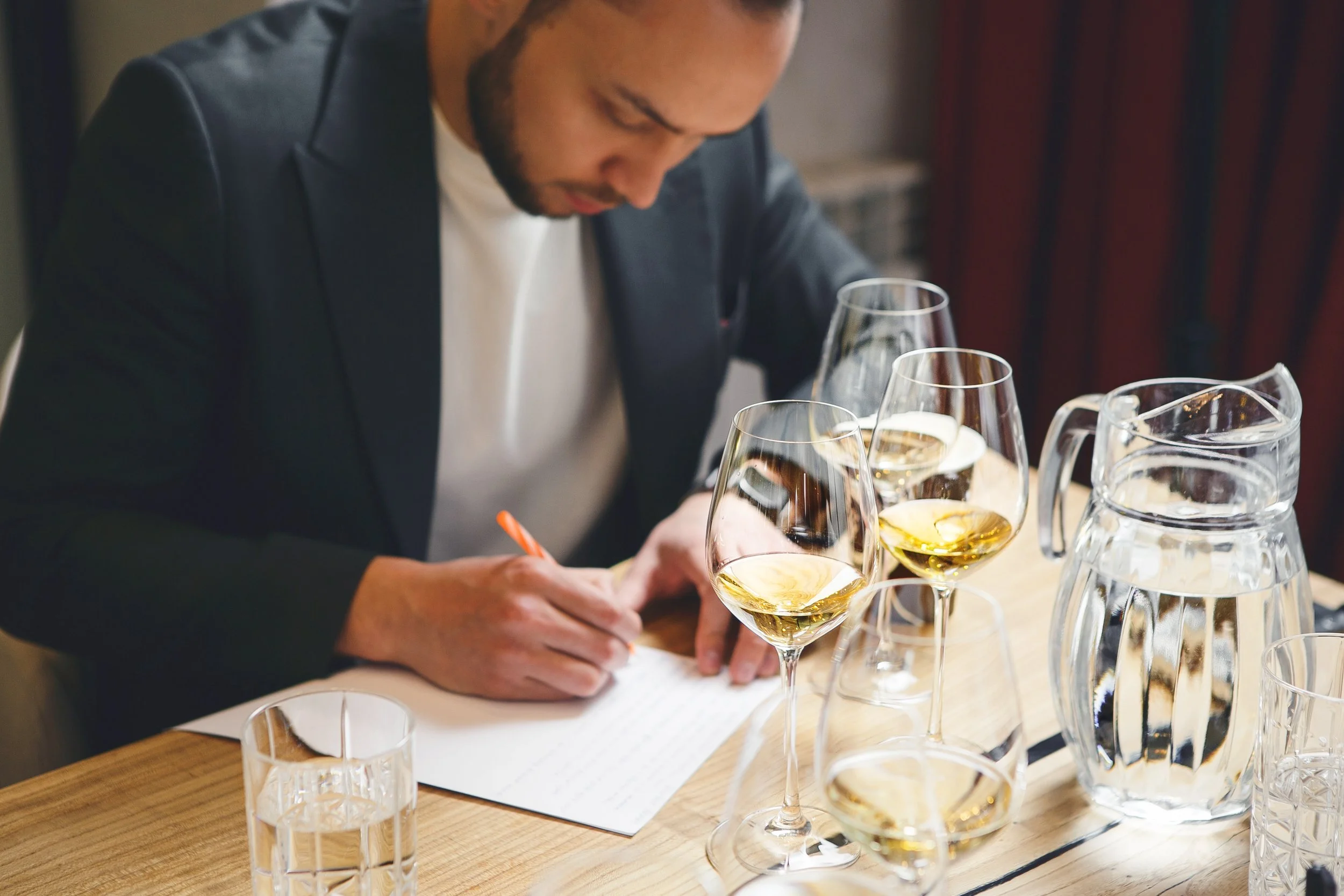
Sake History
Ancient History
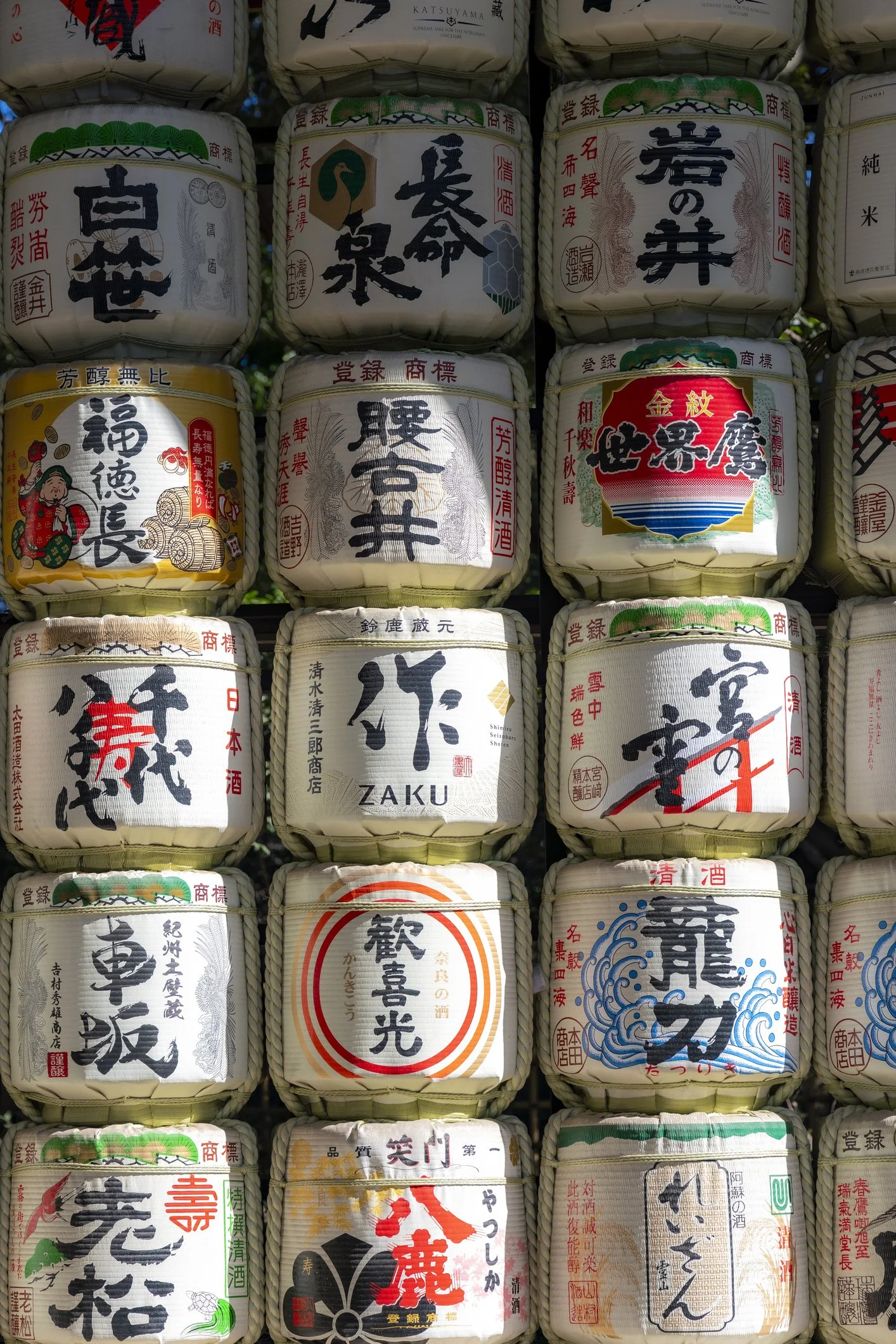
2000 Years
The history of sake dates back over 2000 years. Sake production starts shortly after rice cultivation was brought to Japan from China.
Offering to the Gods
Sake was used for ceremonial purposes as a gift to the gods.
Rice Koji
First evidence of sake made with rice and rice koji in the 8th century. Precursor to the modern sake.
Unpressed Doburoku
Unpressed sake, doburoku, was the style of sake. Rice solids were part of the brew as rice was a commodity not to be wasted.
Bodaimoto
Buddhist monks make alcohol in temples. Monks from Shoryakuji Temple in Nara utilize unique starter method, bodaimoto.
Prohibition
As Japan urbanizes, alcohol industry flourishes. In 1252, alcohol prohibition law goes into effect to curb drunken lawlessness.
Outside World
In 1853, Japan opens its doors to the outside world. Stills, distillation techniques were introduced by the Portuguese.
Clear Sake
During the Edo period (1693-1868), people lived a more affluent life and liked sake that tastes changed to cleaner and lighter than doburoku.
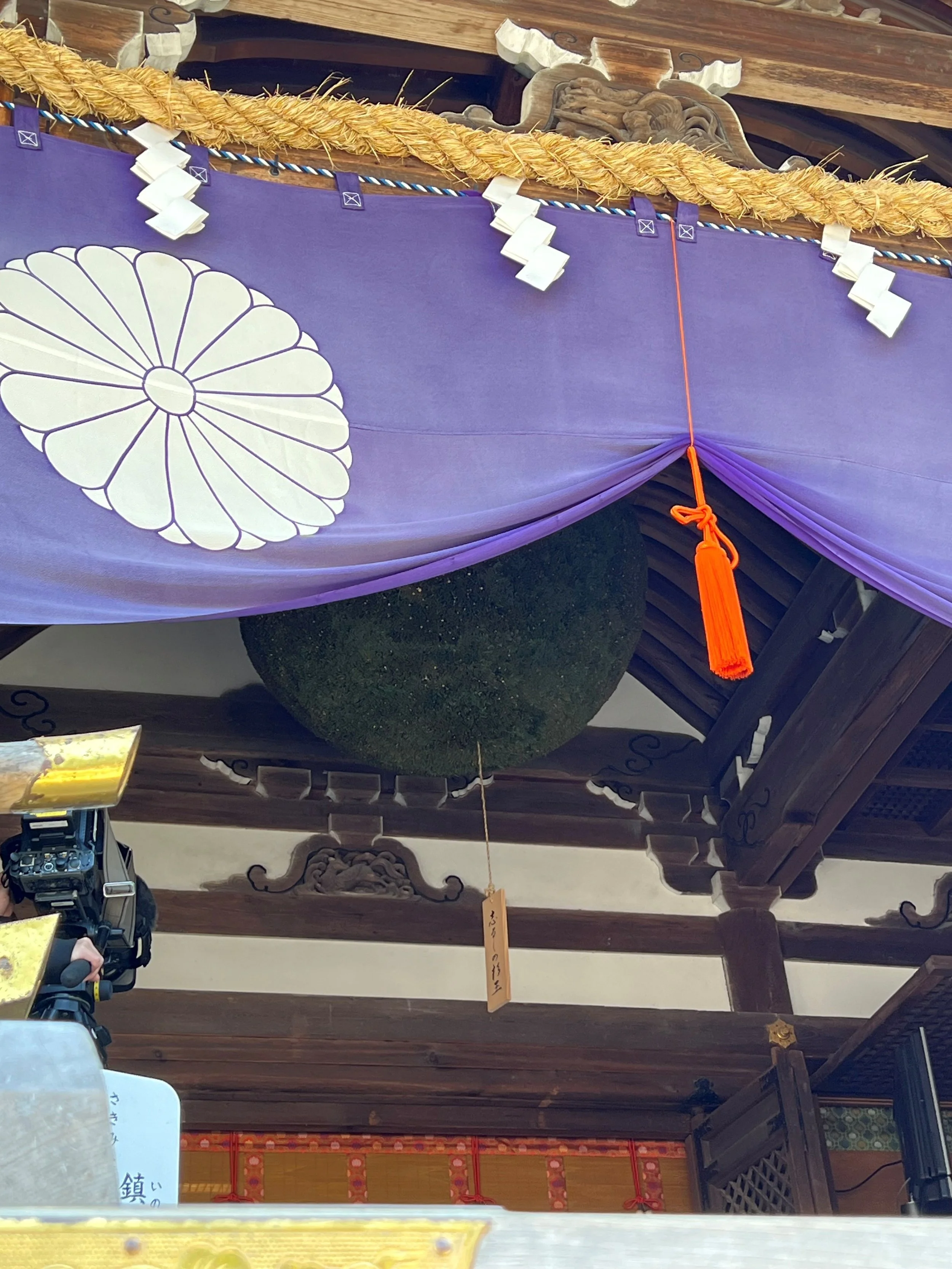
Yamahai Starter
The National Research Institute of Brewing developed the “yamahai starter culture” in 1909 and the “sokujo-style starter culture” in the following year, 1910.
Vertical Rice Polishing Machine
In 1933, the vertical rice-polishing machine was invented, which revolutionized the whole rice-polishing process.
Ginjo Boom
Refrigeration technology of moromi, and the discovery and spread of excellent yeasts all contributed to improving the quality of ginjo-shu. Leading to the Ginjo boom in 1982.
YK35
Before the early 1990s, the formula breweries claimed would earn a gold prize in awards was “YK35”. Yamada Nishiki, Kumamoto yeast and 35% polishing ratio.
Nihonshu GI
Sake continues to make strides in the modern era and gain international recognition. In 2015, Nishonshu or Japanese sake as a category becomes a Geographical Indication (GI).
Unesco Recognition
In 2024, sake-making was event recognized by Unesco as an “intangible cultural heritage”.
The Future of Sake
The future of sake remains unwritten, but we are in the midst of an exciting evolution where innovation and tradition lend seamlessly. Cutting-edge brewing techniques - such as single-digit polishing ratios, unique yeast strains, and barrel aging - are pushing boundaries, while modern interpretations like sake brewed outside Japan and the emergence of Awa sake are redefining the category. At the same time, a renewed appreciation for time-honored brewing methods, such as the resurgence of doburoku, keeps the deep-rooted craftsmanship of sake alive.