

Sake Misconceptions
Common Sake Myths and Misconceptions
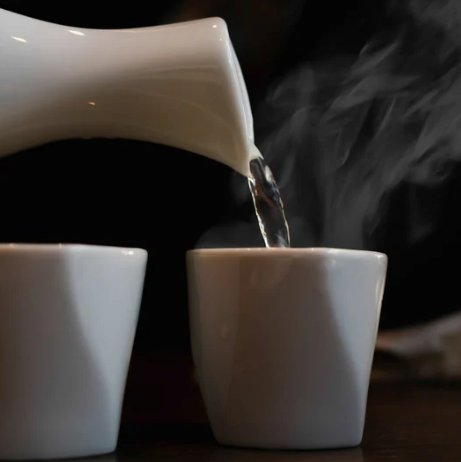
As you dive into the world of sake, you may have come across some of these misconceptions that can make understanding this traditional Japanese beverage a bit confusing. But have no fear, we are here to debunk these myths and shed some light on the mystery that is sake.
The first and most crucial start on this journey of sake truth is to tackle the proper pronunciation. Sake is pronounced “sah-keh” NOT “sah-kee”. We won’t yell at anyone for making this common mistake but now that we’ve addressed this big one, let us clarify some things (pun intended).
MYTH: Daiginjo is the best sake
Daiginjo is a super premium sake but technically this label only indicates that it uses highly polished rice. The best sake is the sake hat you enjoy the most.
MYTH: Sake is high in alcohol
Sake is not a distilled spirit. It’s a brewed beverage with an average ABV of 15-17%. Some genshu (undiluted) sake are around 20% but legally it must be below 22% ABV.
MYTH: Only low quality sake should be warmed
Even high quality sake can be warmed. Flavor profile matters more than “quality”. Avoid sake with Ginjo or Daiginjo on the label. Warm sake with earthy, rice and mineral notes. The key is to heat properly and to the right temperature.
MYTH: Nigori Sake is unfiltered
All sake made in Japan that is classified as nihonshu/seishu must be filtered/pressed. At least some of the solids must be separated from the liquid.
MYTH: Sake should be taken as a shot
Sake is meant to be sipped. Even when served in a small ochoko, don’t do it.
MYTH: Sake can only be paired with sushi
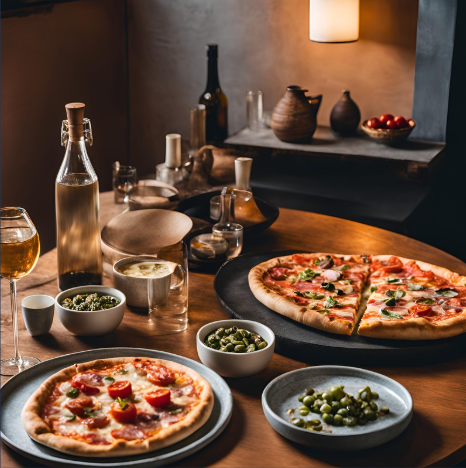
Sake can be paired with numerous types of cuisine, not just Japanese! Pizza and sake combination is a must try. Next occasion, try hosting a sake and cheese party.