

Shochu 101
What is Shochu?
Shochu is Japan’s official national spirit. This distilled liquor is typically made with starchy ingredients combined wit koji and yeast then distilled in a pot still. Around 50 different raw and processed materials are permitted to be used as the main ingredient including rice, barley, sweet potatoes and brown sugar.
Each material imparts a different unique flavor and aroma profile to the final shochu. The high-quality ingredients have to be selected carefully and are usually produced in the same region where the shochu is made.
Kyushu and Okinawa house 45% of the 857 total shochu producing distillers. Kyushu island is home to seven prefectures, each with a deep-rooted ties to its own distinctive style of shochu.
Shochu Ingredients
-
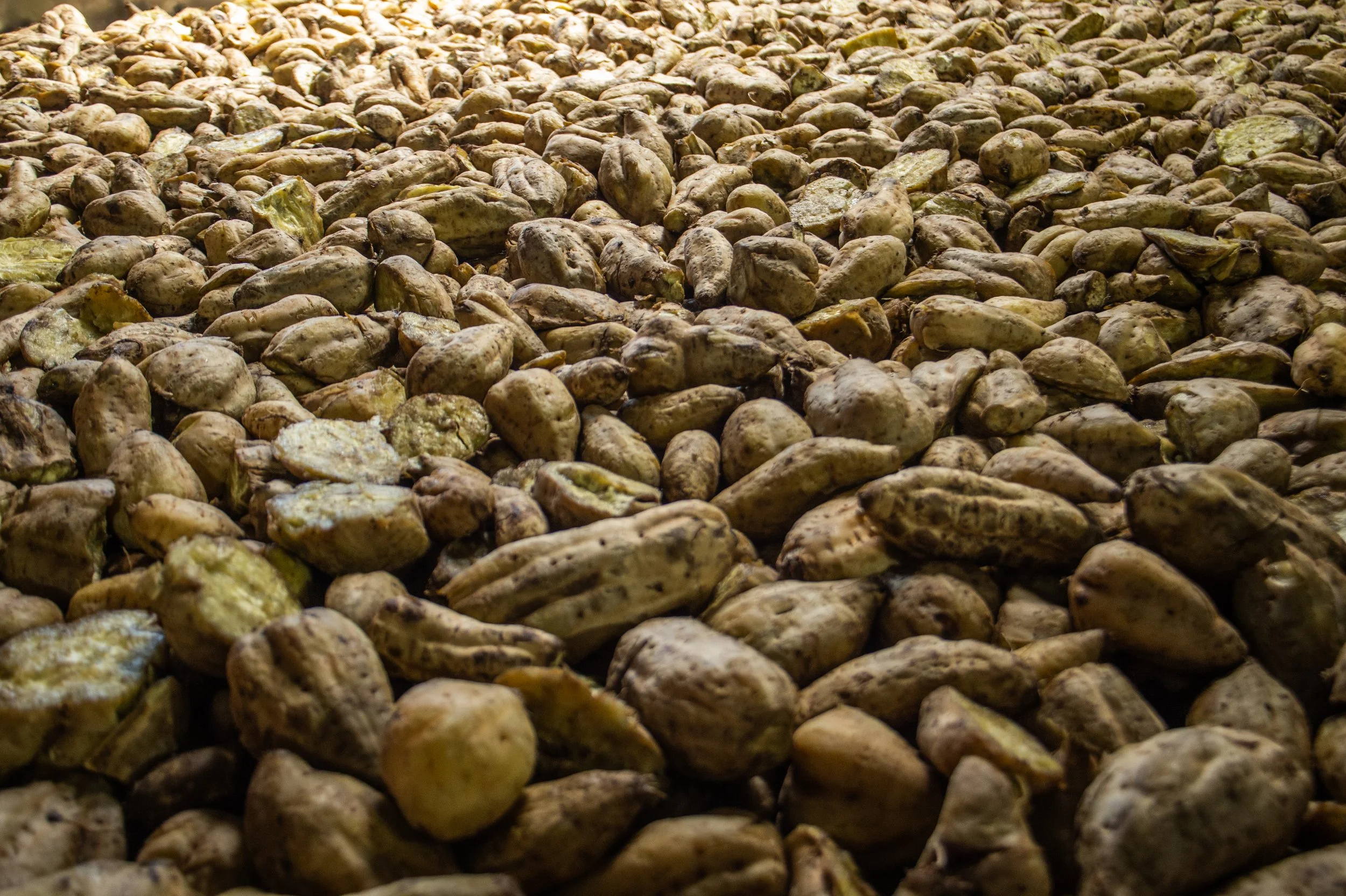
SWEET POTATO
-
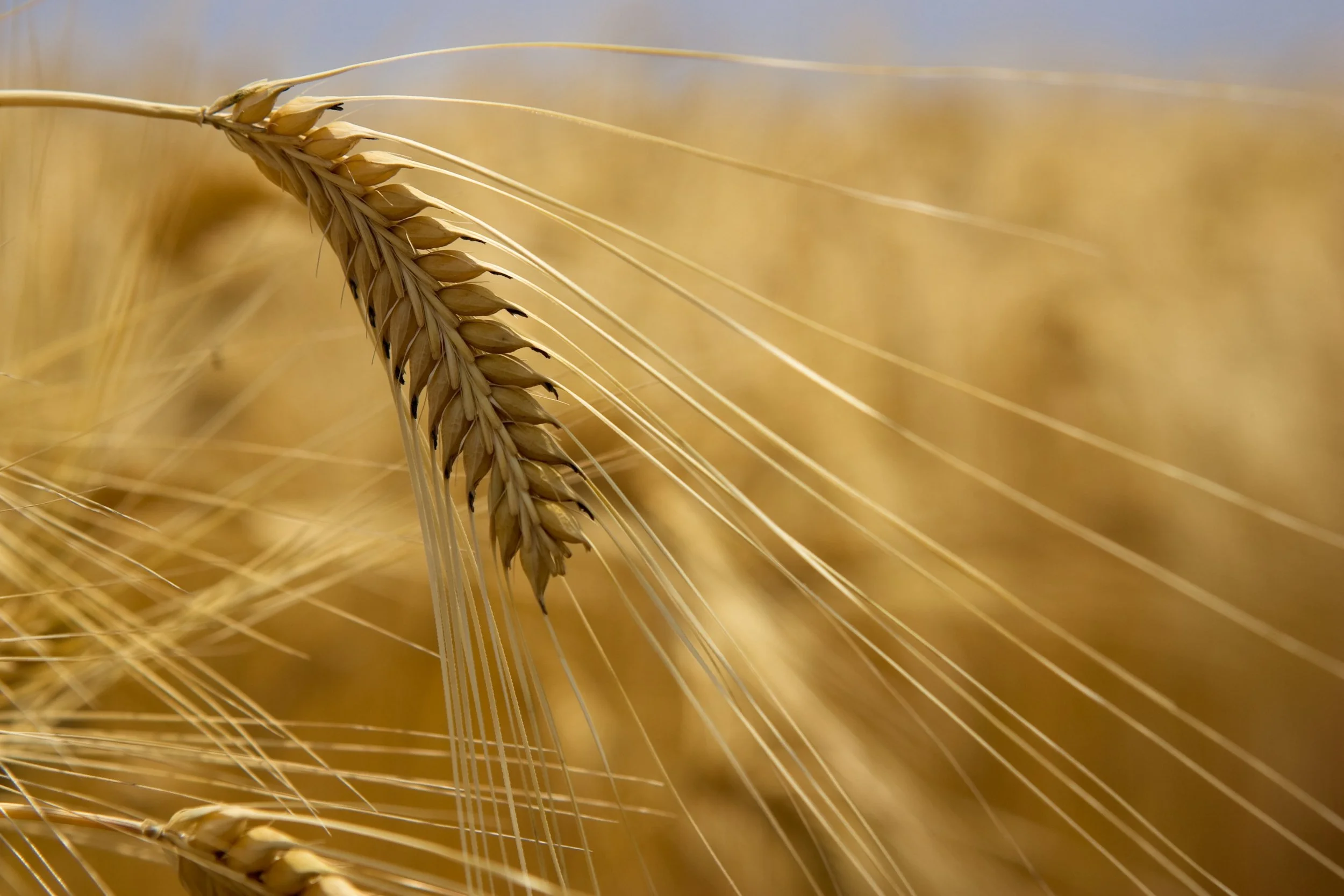
BARLEY
-
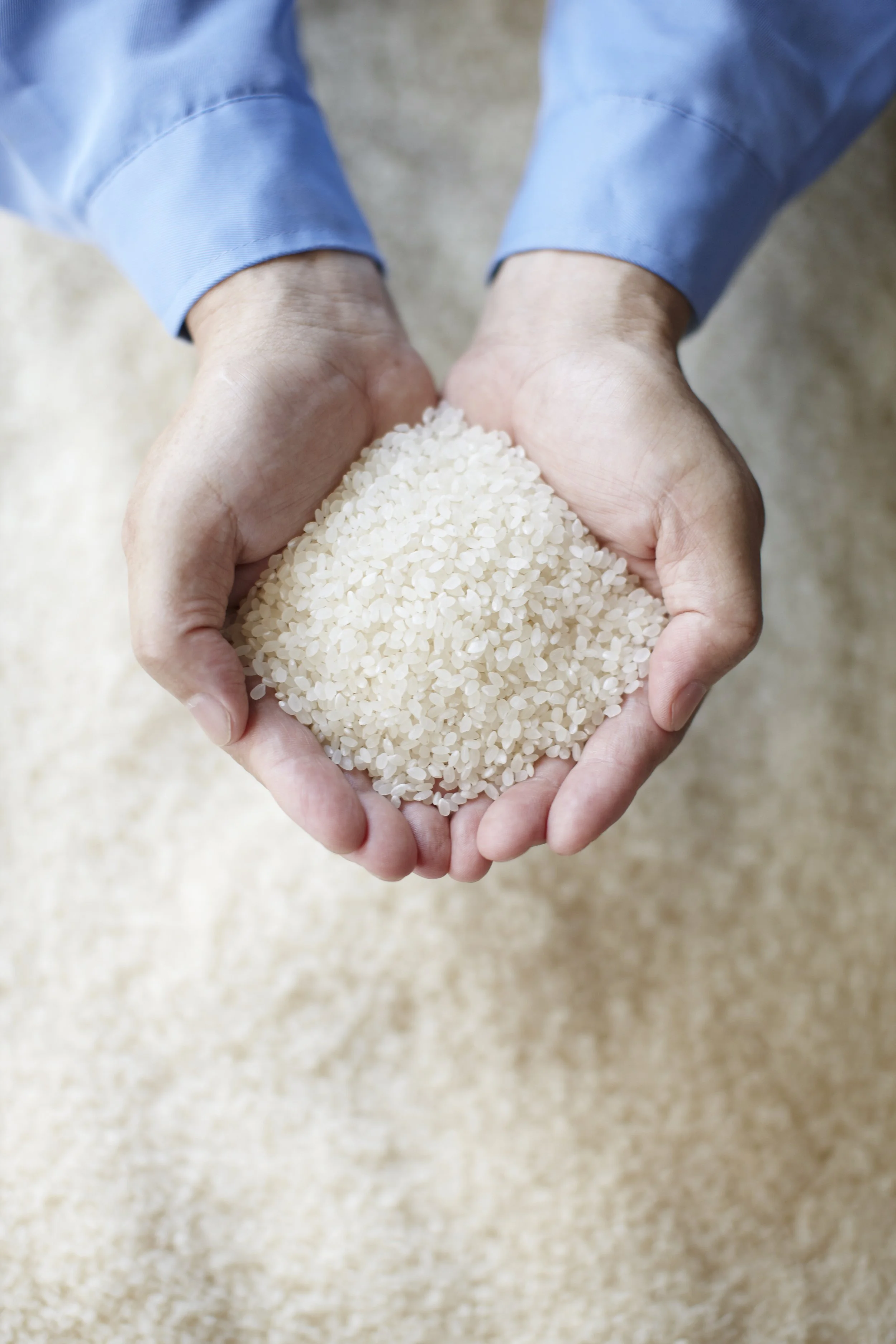
RICE
-
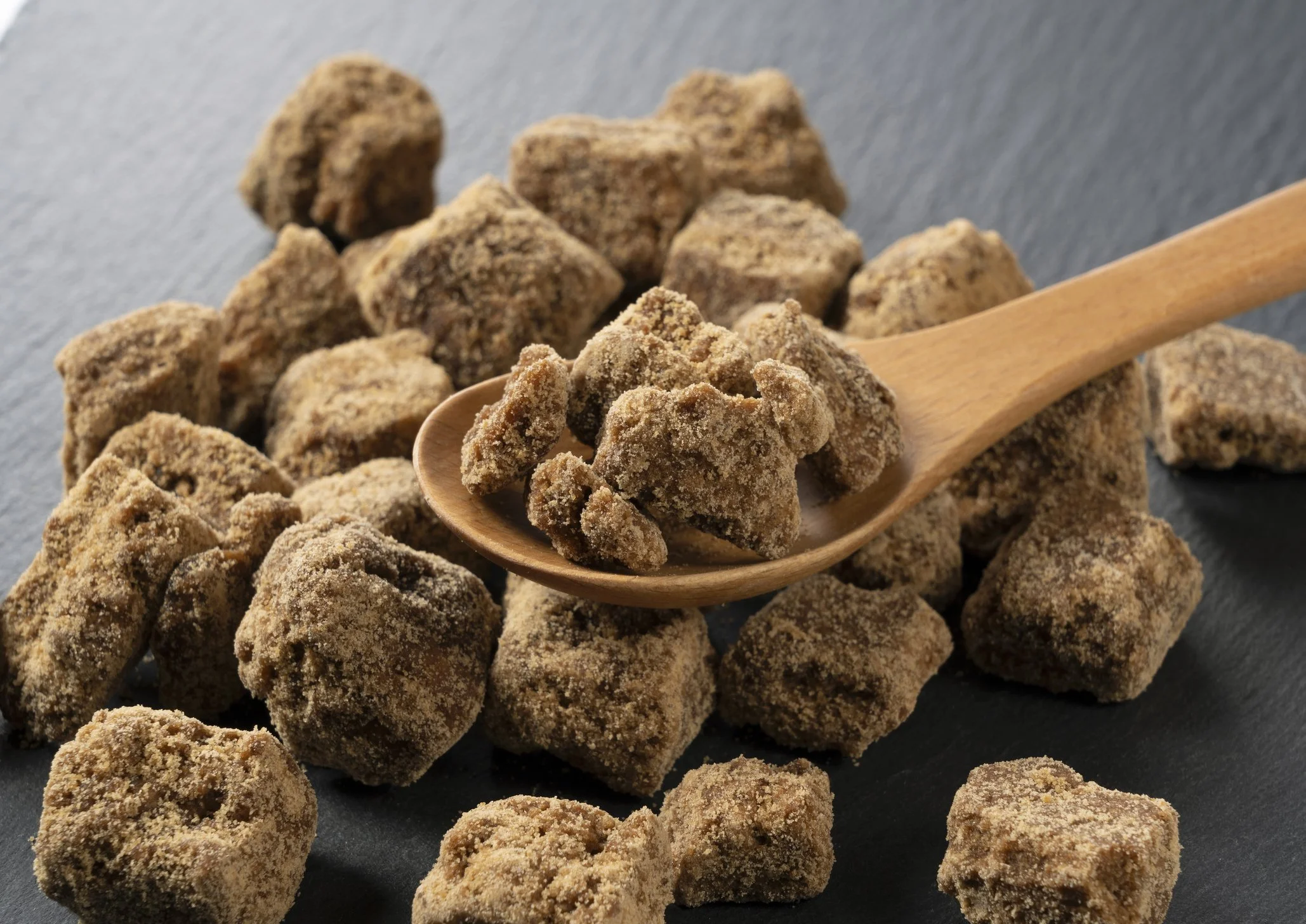
BROWN SUGAR
-
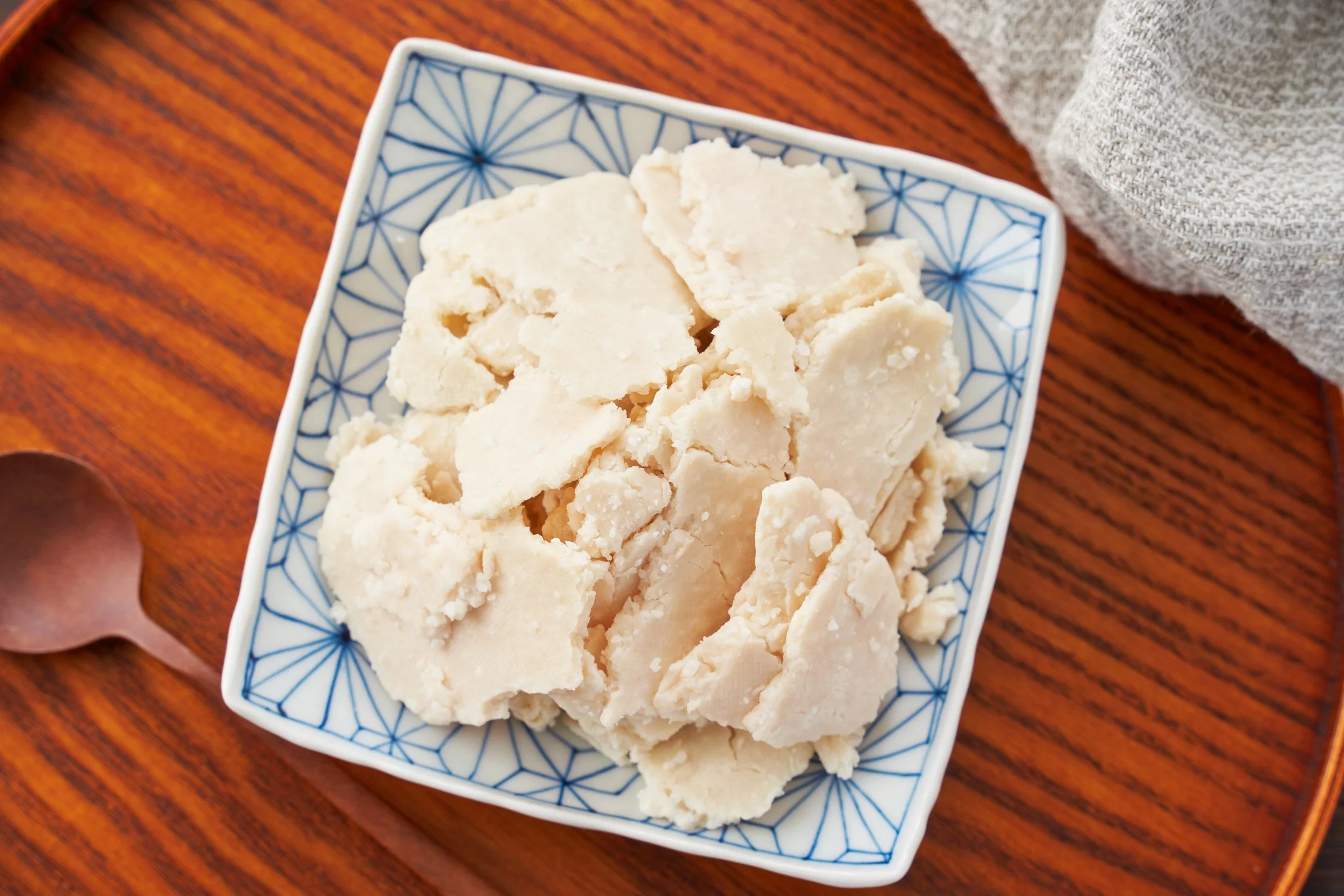
SAKE LEES
-
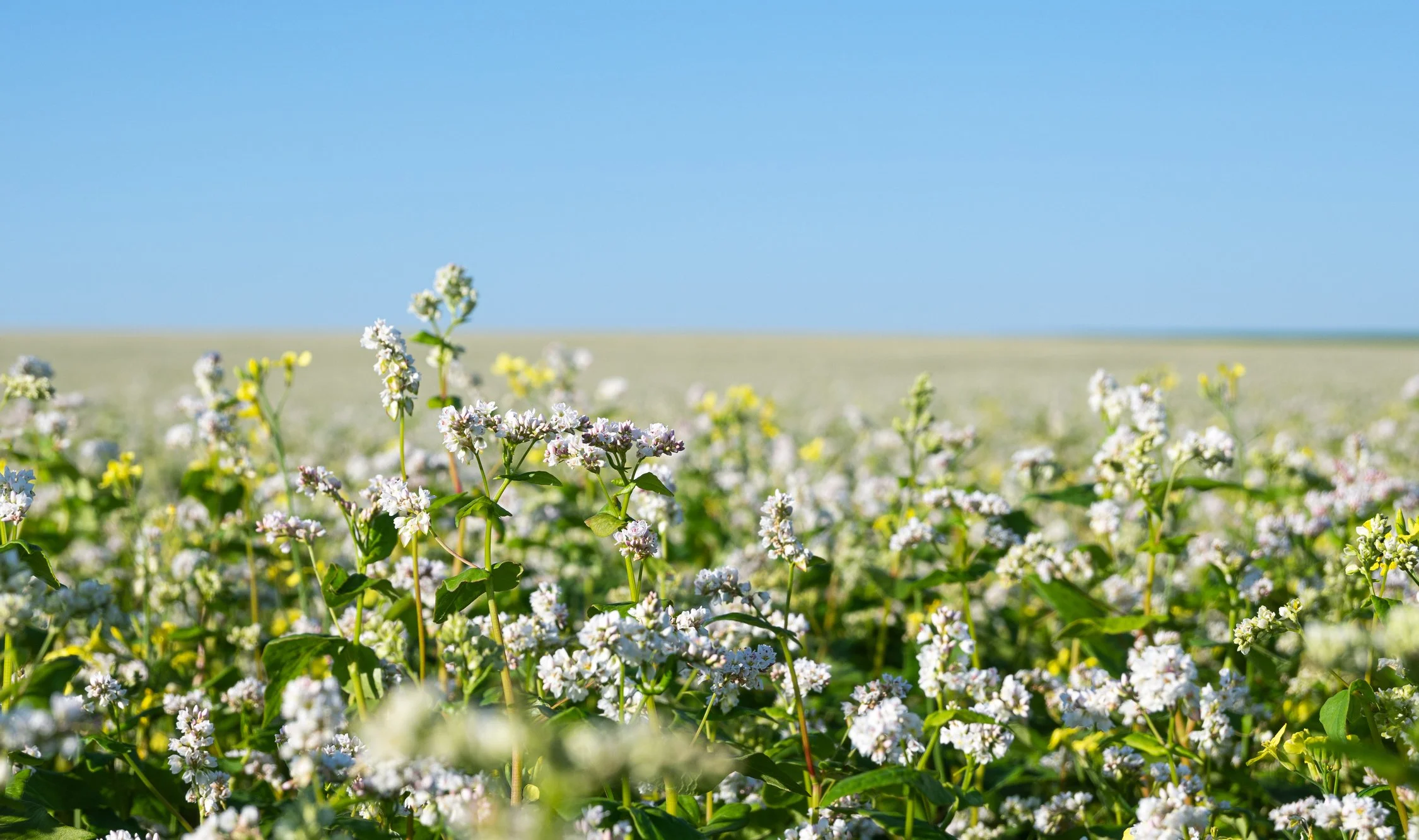
BUCKWHEAT
Shochu vs Sake
-
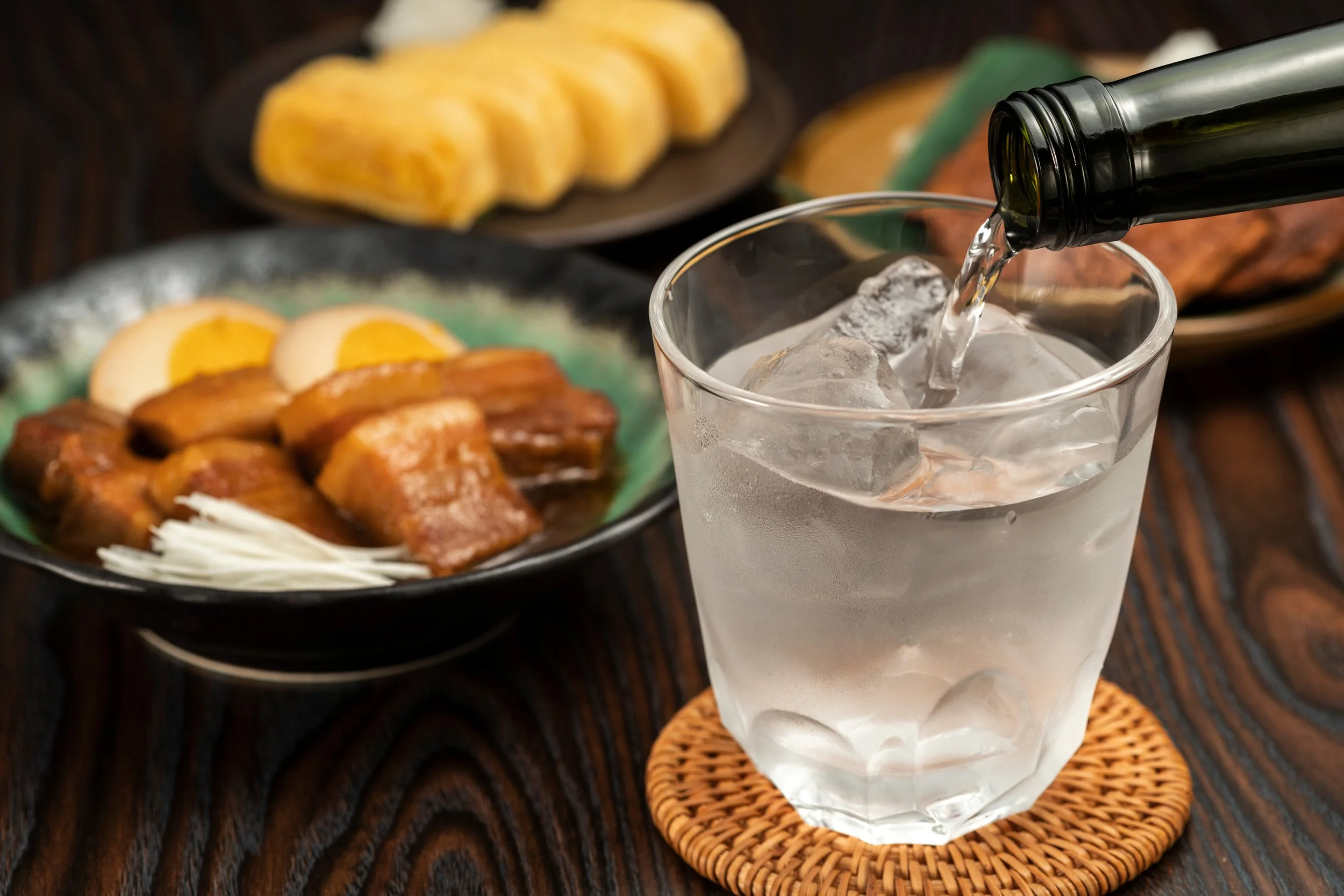
Shochu
Saccharifies rice or other ingredients with white koji or black koji.
May use any of the approximately 50 ingredients from NTA’s list.
Mash is distilled in pot still after fermentation and requires time to dispel gasses and remove oils.
Final product’s ABV is typically 20-25%.
Production thrived in warmer climates where it is more difficult to brew sake.
-
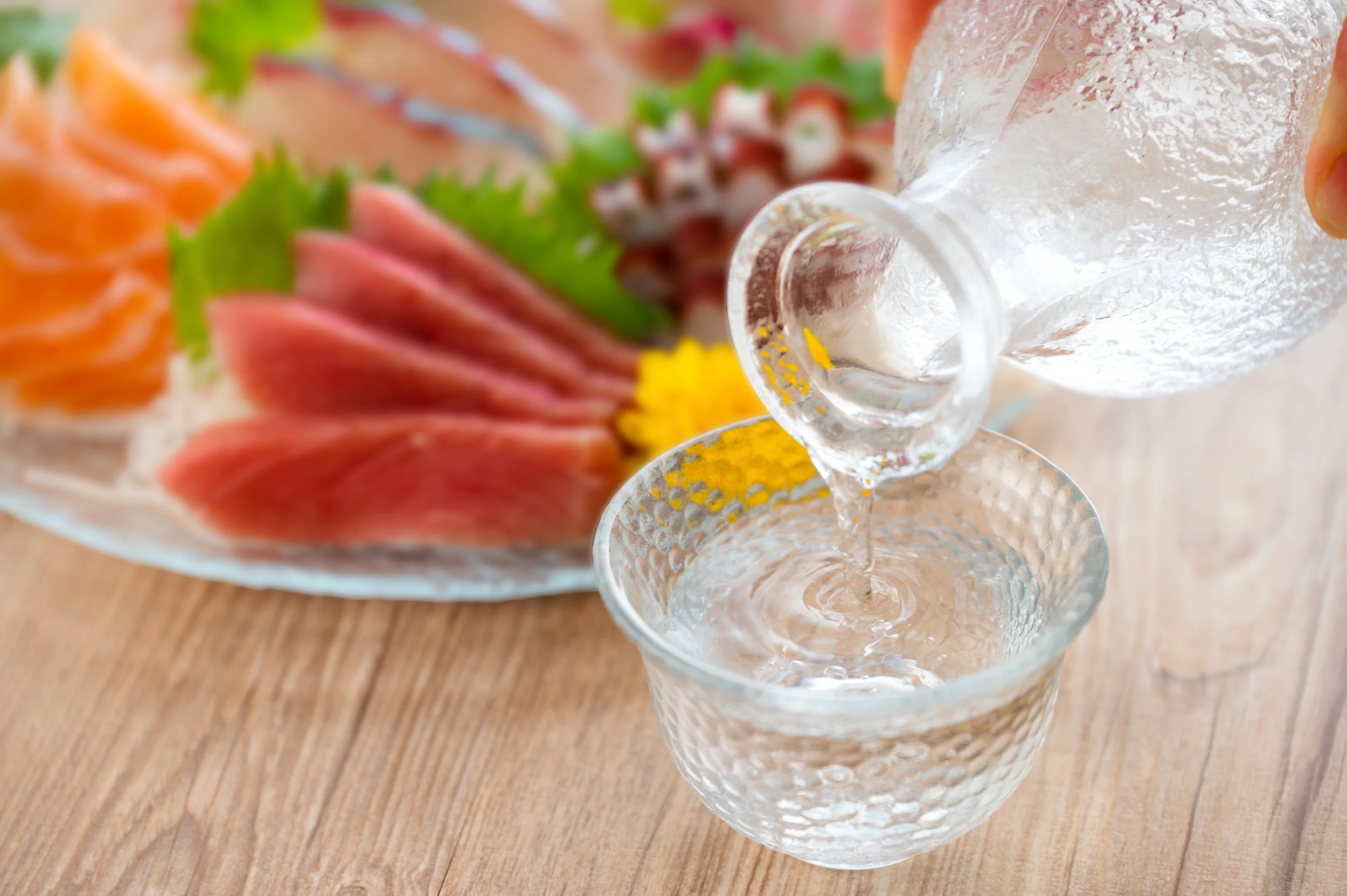
Sake
Saccharifies rice with yellow koji.
May use only rice and rice koji.
Mash is pressed after fermentation and solids are separated.
Final product’s ABV is typically 14-17% after dilution.
Production thrived in colder climates with drastic diurnal temperatures and heavy snowfall.
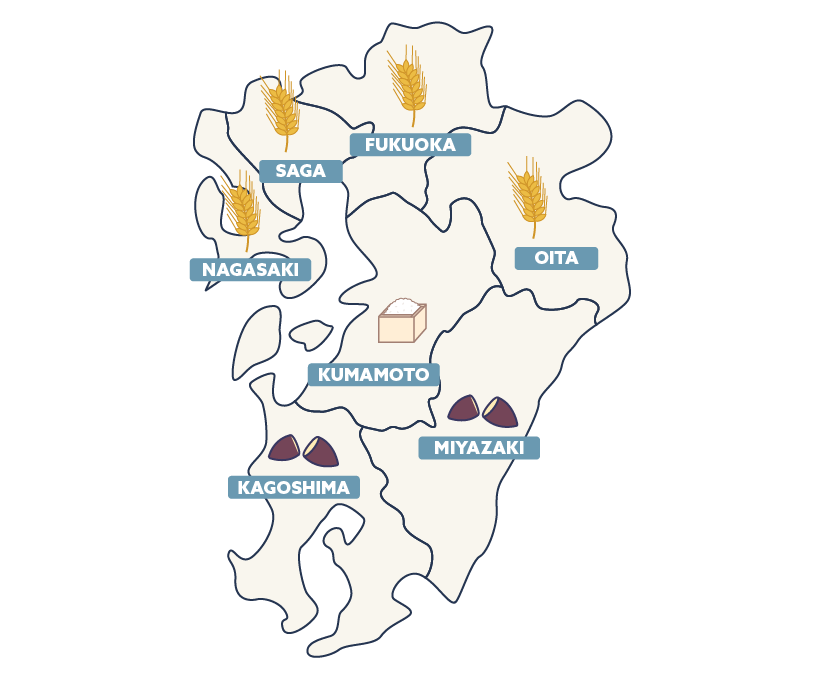
Fukuoka - Mugi Shochu
Saga - Mugi Shochu
Nagasaki - Iki Shochu (Mugi)
Oita - Mugi Shochu
Kumamoto - Kome Shochu
Miyazaki - Imo Shochu
Kagoshima - Imo Shochu
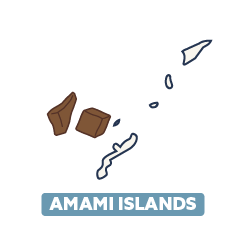
Amami Island - Kokuto Shochu
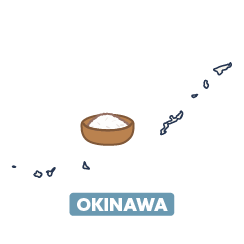
Okinawa - Awamori
Shochu Regions
Shochu, like sake, has GI’s
Iki (Nagasaki Prefecture) - barley shochu
Kuma (Kumamoto Prefecture) - rice shochu
Satsuma (Kagoshima Prefecture) - sweet potato shochu
Ryukyu (Okinawa Prefecture) - Awamori
Tokyo Shimazake (Tokyo) - sweet potato and barley shochu
Shochu Facts
Typically diluted with water to ABV of 20-25%. Genshu (undiluted) are from 37-43% ABV.
May be aged but it is not necessary.
May see some wooden barrel contact.
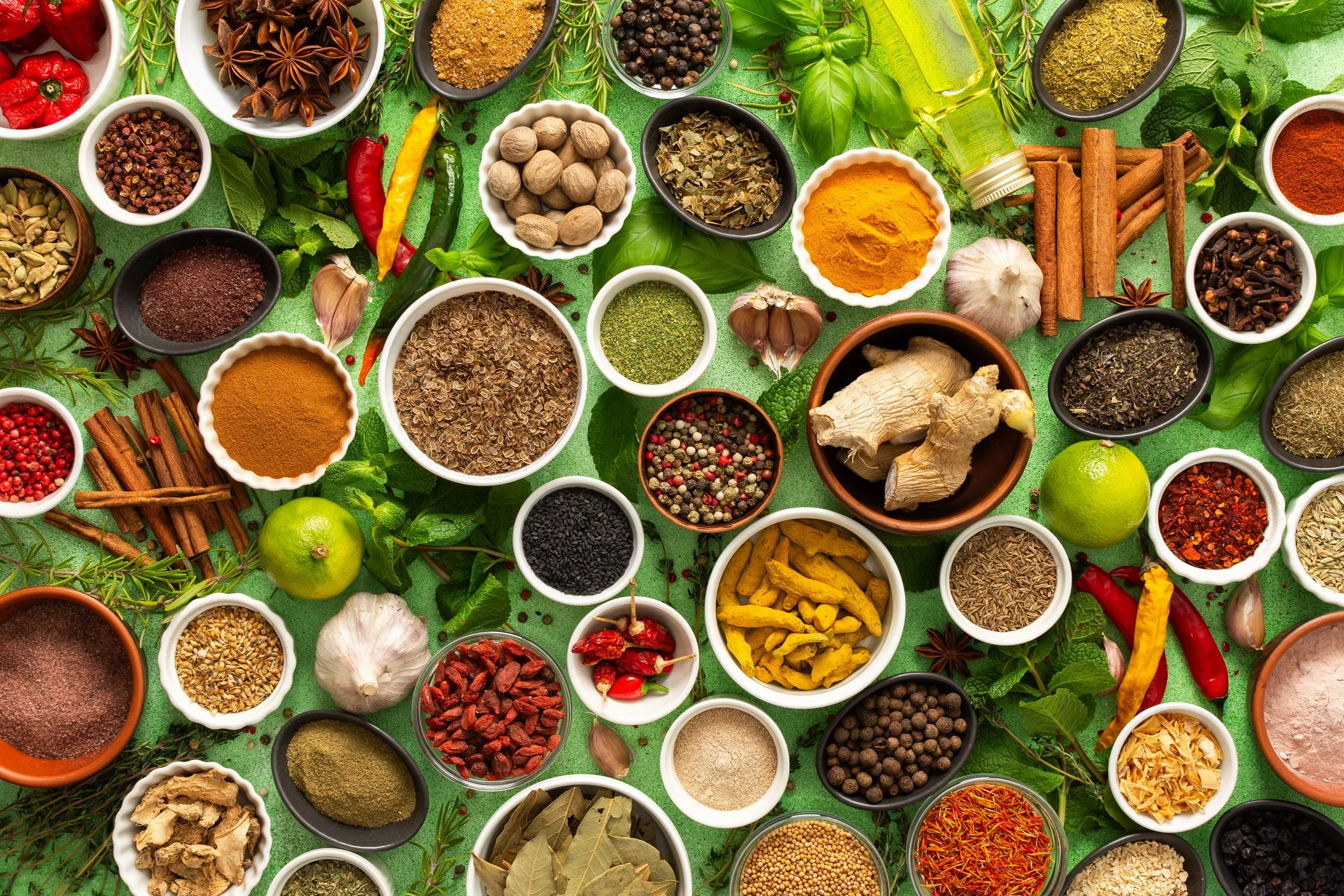
Shochu Aromas
-
Acacia, orange blossom, lily, lilac, violet, camellia, narcissus, wisteria
-
Lychee, apple, banana, white peach, quince, lemon, kiwi, lime, cherry
-
Nappa cabbage, carrot, asparagus, burdock
-
Japanese cypress, resin, withered leaf, mushroom, oak
-
Chestnut, pine nut, roasted sesame seed, almond, coconut
-
Cooked white rice, tofu, buckwheat, soybeans, corn
-
Clove, cinnamon, vanilla, nutmeg, sesame seeds
-
Butter, yogurt, milk, cottage cheese
-
Seaweed, brown sugar, honey, maple syrup
Shochu FAQ
What is the ABV of Shochu?
Shochu is typically 20-30% ABV but can be as high as 45%.
What is the best way to drink shochu?
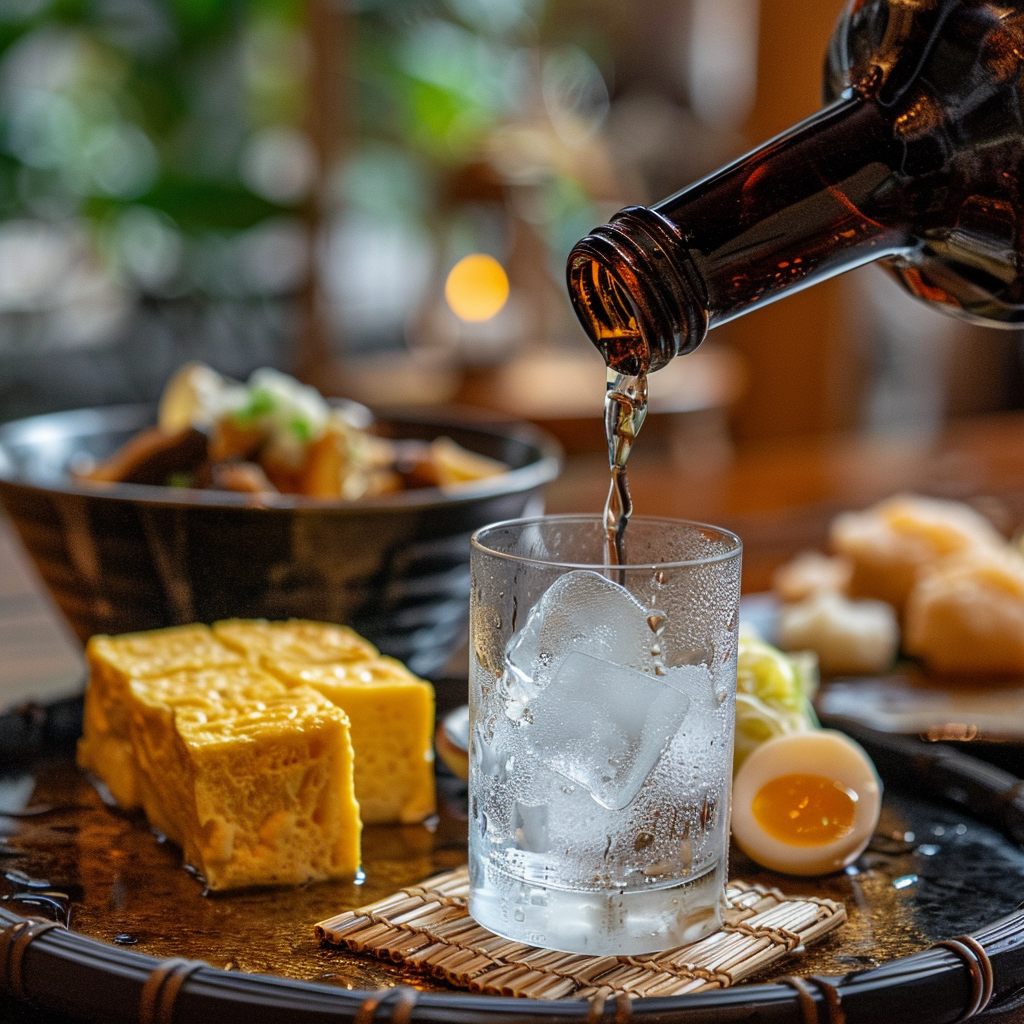
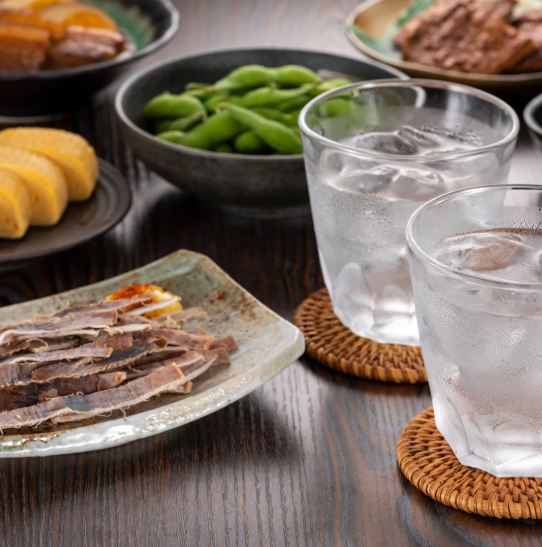
In Japan, the most popular ways to enjoy shochu are on the rocks, with cold water, with hot water or with sparkling water (chu-hi). Shochu is also a great base spirit for cocktails. The possibilities are only limited to your imagination!
How should shochu be stored?
Shochu storage is more forgiving than sake but best practice is to store it away from sunlight and direct light. Also, avoid storing in placed with temperature fluctuations.
Is shochu the same as soju?
Shochu and soju are both distilled spirits but they are not the same. Japanese shochu ingredients and production methods are strictly regulated. Their distillation methods differ and where shochu uses koji for saccharification, soju uses nurek. Though they should not be mistaken for each other, both are enjoyed around the world!