

Storing Sake
Japanese sake is very sensitive and delicate, and there are NO added preservatives as compared to wine. The lack of preservatives in sake makes it vulnerable to change in response to factors such as light, temperature, or exposure to air.
Most sake undergo pasteurization twice - once before storage and again at bottling - to help prevent deterioration and extend shelf life. However, some sake are either completely unpasteurized or pasteurized only once. These unpasteurized varieties are particularly sensitive to environmental changes, requiring careful handling and storage to maintain their freshness and flavors.
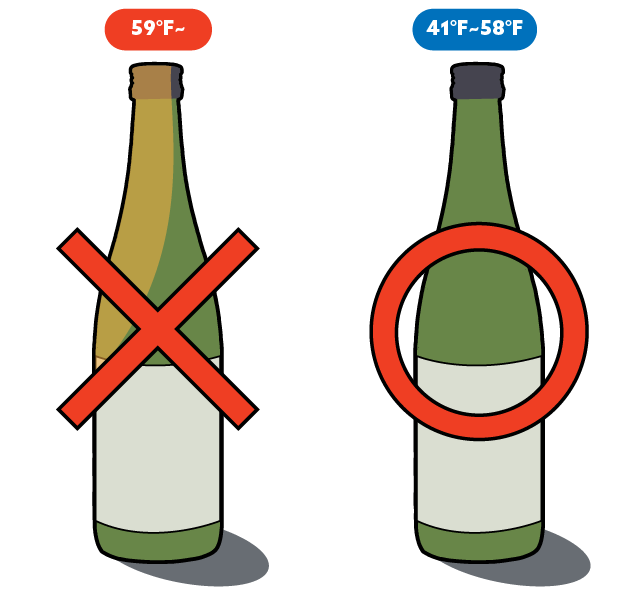
Do Not Store Sake in Direct Sunlight
It is better to keep sake in a dark place.
The green or brown colored bottle is preventive measure proven to be helpful in fighting the harmful effects of sunlight.
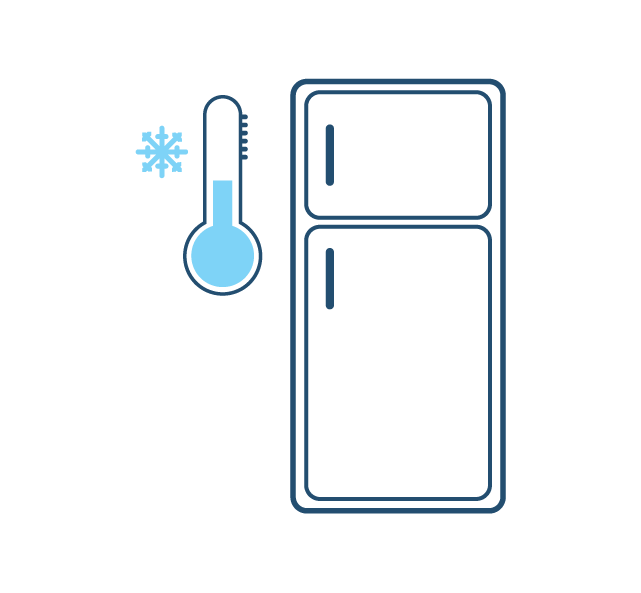
Do Not Store Sake in a Place Where the Temperature Fluctuates
It is better to keep it in a cool place.
The refrigerator is the best place for storage. The best storage temperature is approximately 41°F. Nama sake MUST be refrigerated!
Sake is not sealed with a cork, so there is no need to store sideways. Store upright to create the least amount of surface area exposed to oxygen.
What is the Average Shelf Life of Sake?
Generally, sake should be consumed within about one year from the date the brewery releases it. If the sake has been kept in the refrigerator (about 41°F) or in a dark and cool place, the sake could still be in good condition up to two years.
Once a bottle of sake is opened, it should be consumed within 2 - 3 weeks. Non-ginjo sake may keep even longer. Opened bottles should be always be kept refrigerated.